A Lucrative Journey To Success
Engineering is the application of scientific and mathematical principles to the design, construction, and operation of structures, machines, and systems. Engineering jobs are in high demand, and the highest paying engineering jobs can offer salaries well into the six figures.
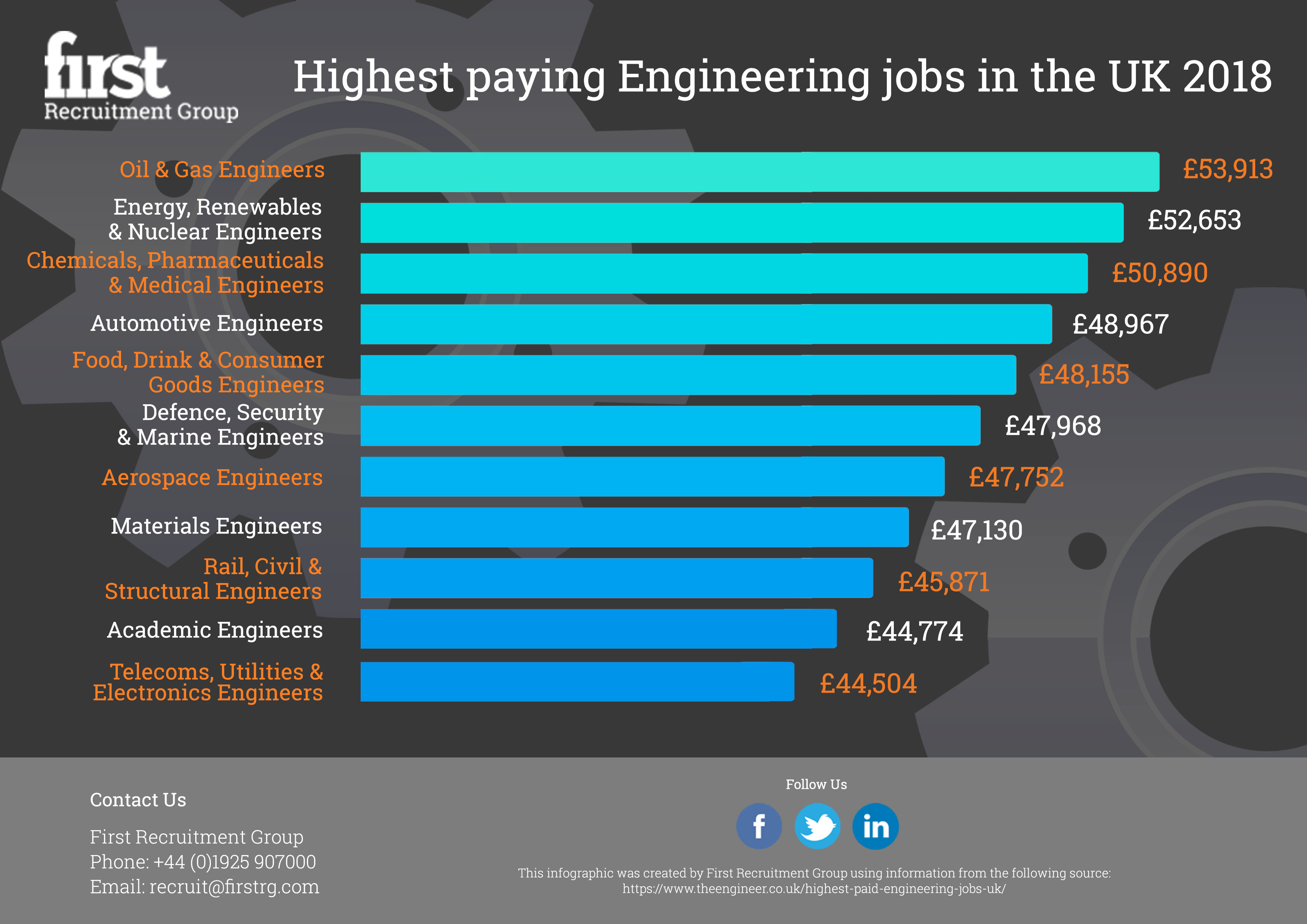
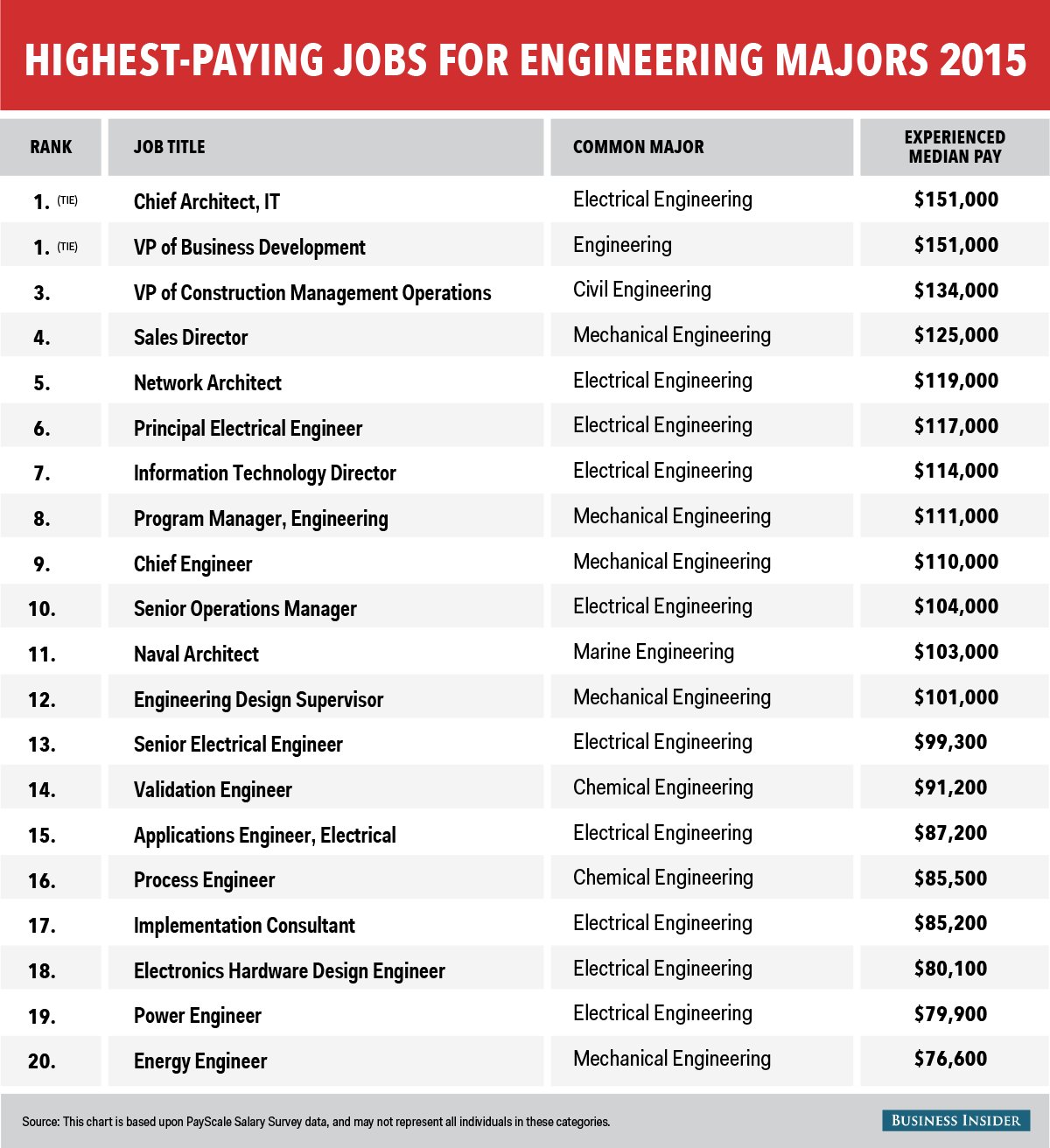
There are many factors that can affect the salary of an engineer, including their experience, education, and specialization. However, some of the highest paying engineering jobs include:
- Software engineers
- Petroleum engineers
- Nuclear engineers
- Aerospace engineers
- Chemical engineers
These jobs are all in high demand, and they require specialized skills and knowledge. Engineers in these fields can expect to earn salaries that are well above the national average.
Highest Paying Engineering Jobs
Engineering jobs are in high demand, and the highest paying engineering jobs can offer salaries well into the six figures. There are many factors that can affect the salary of an engineer, including their experience, education, and specialization. However, some of the highest paying engineering jobs include:
- Software engineers
- Petroleum engineers
- Nuclear engineers
- Aerospace engineers
- Chemical engineers
- Computer hardware engineers
- Electrical engineers
- Mechanical engineers
- Civil engineers
- Industrial engineers
These jobs are all in high demand, and they require specialized skills and knowledge. Engineers in these fields can expect to earn salaries that are well above the national average.
In addition to the high salaries, there are many other benefits to working as an engineer. Engineers have the opportunity to work on challenging and rewarding projects, and they can make a real difference in the world. Engineering is a great career choice for anyone who is interested in math, science, and technology.
Software Engineers
Software engineers are responsible for designing, developing, and maintaining software systems. They work in a variety of industries, including computer science, finance, and healthcare. Software engineers are in high demand, and they can earn some of the highest salaries in the engineering field.
- High demand: Software engineers are in high demand due to the increasing reliance on software in all aspects of our lives. From self-driving cars to medical devices, software is essential for the functioning of modern society.
- Specialized skills: Software engineers need to have a strong understanding of computer science fundamentals, as well as specialized skills in software development. This includes knowledge of programming languages, software design patterns, and software testing techniques.
- Complex projects: Software engineers often work on complex projects that require them to solve challenging problems. This can be a rewarding experience, as software engineers have the opportunity to make a real difference in the world.
- High salaries: Software engineers can earn some of the highest salaries in the engineering field. This is due to the high demand for their skills and the complex nature of their work.
Overall, software engineers are a vital part of the modern economy. They are responsible for developing the software that we rely on every day. As the demand for software continues to grow, the demand for software engineers will also continue to grow. This makes software engineering a great career choice for anyone who is interested in a challenging and rewarding career.
Petroleum engineers
Petroleum engineers are responsible for the exploration, development, and production of oil and gas resources. They work in a variety of settings, including offshore oil rigs, onshore drilling sites, and refineries. Petroleum engineers are in high demand due to the increasing global demand for energy. As a result, they can earn some of the highest salaries in the engineering field.
There are many factors that contribute to the high salaries of petroleum engineers. First, the work that they do is essential to the global economy. Oil and gas are used to power our cars, heat our homes, and generate electricity. Without petroleum engineers, we would not be able to meet our energy needs.
Second, petroleum engineers need to have a specialized skill set. They need to have a strong understanding of geology, physics, and engineering. They also need to be able to work in a variety of challenging environments. This specialized skill set makes petroleum engineers highly sought-after by employers.
Finally, the work that petroleum engineers do can be dangerous. They often work in remote locations and in harsh conditions. This can lead to accidents and injuries. As a result, petroleum engineers are compensated for the risks that they take.
Overall, petroleum engineers are highly skilled professionals who play a vital role in the global economy. Their work is essential to meeting our energy needs, and they are compensated accordingly.
Nuclear engineers
Nuclear engineers play a crucial role in the development and maintenance of nuclear power plants, which generate a significant portion of the world's electricity. Their expertise in nuclear science and engineering makes them highly sought-after professionals, leading to some of the highest paying engineering jobs.
- Research and Development: Nuclear engineers are involved in cutting-edge research and development to improve the efficiency and safety of nuclear power plants. They design and test new technologies, materials, and processes to optimize plant performance and minimize environmental impact.
- Power Plant Operations: Nuclear engineers oversee the day-to-day operations of nuclear power plants, ensuring safe and reliable electricity generation. They monitor plant systems, conduct regular inspections, and perform maintenance and repairs to prevent malfunctions and accidents.
- Nuclear Safety and Regulation: Nuclear engineers work in regulatory agencies and consulting firms, developing and enforcing safety standards for nuclear power plants. They assess plant designs, conduct safety reviews, and inspect facilities to ensure compliance with regulations and minimize risks.
- Nuclear Waste Management: Nuclear engineers play a key role in the safe storage and disposal of nuclear waste. They design and operate facilities for the long-term management of radioactive materials, protecting the environment and public health.
The combination of specialized knowledge, high-stakes responsibilities, and the critical nature of their work contributes to the high salaries earned by nuclear engineers. Their expertise is essential for the safe and efficient generation of nuclear power, making them invaluable assets in the energy industry.
Aerospace engineers
Aerospace engineers are among the highest paid engineering professionals due to their specialized knowledge and the critical nature of their work in the design, development, testing, and operation of aircraft, spacecraft, and related systems.
- Cutting-edge Technology: Aerospace engineers work at the forefront of technological advancements, pushing the boundaries of aviation and space exploration. They design and develop innovative aircraft, spacecraft, and systems that require advanced knowledge in aerodynamics, propulsion, materials science, and electronics.
- Complex Systems: Aerospace engineers deal with highly complex systems that demand meticulous attention to detail and precision engineering. They integrate various components, including structures, engines, avionics, and software, to ensure optimal performance and safety.
- Stringent Regulations: The aerospace industry is subject to rigorous safety and regulatory standards. Aerospace engineers must adhere to these regulations while designing and developing aircraft and spacecraft to ensure the highest levels of safety and reliability.
- Global Impact: Aerospace engineers play a crucial role in connecting people and businesses worldwide through air travel and space exploration. Their work has far-reaching implications for global commerce, scientific research, and national security.
Aerospace engineers' expertise and the critical nature of their work in advancing aviation and space technology contribute significantly to their high earning potential, making it one of the highest paying engineering jobs.
Chemical engineers
Chemical engineers play a vital role in various industries, contributing to the development and production of a wide range of products and materials. Their expertise in chemical processes, plant design, and optimization places them among the highest paid engineering professionals.
- Process Development and Optimization: Chemical engineers design and optimize chemical processes to maximize efficiency, minimize waste, and ensure product quality. They apply their knowledge of chemical reactions, thermodynamics, and fluid dynamics to improve existing processes and develop innovative ones.
- Plant Design and Construction: Chemical engineers are responsible for designing and overseeing the construction of chemical plants, ensuring safety, efficiency, and environmental compliance. They collaborate with other engineers, architects, and contractors to create facilities that meet specific production requirements.
- Product Development and Innovation: Chemical engineers work closely with scientists and researchers to develop new products and materials. They apply their understanding of chemistry and engineering principles to create innovative solutions for industries such as pharmaceuticals, food processing, and energy.
- Environmental Sustainability: Chemical engineers play a crucial role in addressing environmental challenges. They design and implement processes that minimize pollution, reduce greenhouse gas emissions, and promote sustainable practices throughout the chemical industry.
The high earning potential of chemical engineers is attributed to the critical nature of their work and the specialized knowledge and skills required to excel in this field. Their contributions to process optimization, plant design, product innovation, and environmental sustainability make them highly valued professionals in various industries.
Computer hardware engineers
Computer hardware engineers are responsible for the design, development, and testing of computer hardware components, including processors, memory, storage devices, and peripherals. They work in a variety of industries, including computer manufacturing, electronics, and telecommunications. Computer hardware engineers are in high demand due to the increasing reliance on computers in all aspects of our lives. As a result, they can earn some of the highest salaries in the engineering field.
There are many factors that contribute to the high salaries of computer hardware engineers. First, the work that they do is essential to the functioning of the modern world. Computers are used in everything from personal devices to industrial machinery. Without computer hardware engineers, we would not be able to enjoy the many benefits of technology that we rely on every day.
Second, computer hardware engineers need to have a specialized skill set. They need to have a strong understanding of computer science fundamentals, as well as specialized knowledge of hardware design and testing. This specialized skill set makes computer hardware engineers highly sought-after by employers.
Finally, the work that computer hardware engineers do can be challenging and rewarding. They often work on cutting-edge projects that require them to solve complex problems. This can be a rewarding experience, as computer hardware engineers have the opportunity to make a real difference in the world.
Overall, computer hardware engineers are highly skilled professionals who play a vital role in the modern economy. Their work is essential to the functioning of computers, and they are compensated accordingly.
Electrical engineers
Electrical engineers play a pivotal role in the design, development, and maintenance of electrical systems, making them highly sought-after professionals in various industries. Their expertise in the generation, transmission, and utilization of electricity contributes to the smooth functioning of modern society, from powering homes and businesses to enabling technological advancements.
The high demand for electrical engineers stems from the critical nature of their work. They are responsible for ensuring the safe and efficient operation of electrical systems, which are essential for the functioning of infrastructure, industries, and everyday life. Electrical engineers design, install, and maintain electrical components, systems, and equipment, ranging from power plants and distribution networks to lighting systems and control circuits.
Moreover, electrical engineers are at the forefront of emerging technologies, such as renewable energy systems, smart grids, and electric vehicles. Their expertise is crucial in developing and implementing sustainable solutions to meet the growing global energy demands and environmental concerns. As a result, electrical engineers are highly valued in industries related to power generation, transmission, and distribution, as well as in sectors such as manufacturing, transportation, and telecommunications.
The high earning potential of electrical engineers is commensurate with their specialized knowledge, skills, and responsibilities. They undergo rigorous training and education to acquire a deep understanding of electrical theory, circuit analysis, and power systems. Additionally, they must stay abreast of the latest advancements in the field to effectively design, implement, and maintain complex electrical systems.
In summary, the connection between electrical engineers and highest paying engineering jobs is firmly established due to their critical role in ensuring the reliable and efficient operation of electrical systems, their expertise in emerging technologies, and the high demand for their services in various industries. Their specialized knowledge, skills, and responsibilities make electrical engineers highly sought-after professionals, commanding some of the highest salaries in the engineering field.
Mechanical engineers
Mechanical engineers are among the highest paid engineering professionals due to their expertise in the design, development, and operation of mechanical systems. Their work encompasses a wide range of industries, from manufacturing and automotive to aerospace and energy. Mechanical engineers play a vital role in the innovation and advancement of technologies that shape our modern world.
- Design and Analysis: Mechanical engineers apply their knowledge of mechanics, materials science, and thermodynamics to design and analyze mechanical systems. They use computer-aided design (CAD) software and simulation tools to create virtual models of systems, ensuring their functionality, efficiency, and safety.
- Manufacturing and Production: Mechanical engineers oversee the manufacturing and production processes of mechanical components and systems. They work closely with manufacturing engineers to optimize production lines, improve efficiency, and ensure quality control.
- Testing and Evaluation: Mechanical engineers conduct rigorous testing and evaluation to ensure that mechanical systems meet design specifications and performance requirements. They use specialized equipment and techniques to analyze system behavior, identify potential failures, and make necessary modifications.
- Maintenance and Repair: Mechanical engineers play a crucial role in the maintenance and repair of mechanical systems. They diagnose problems, perform repairs, and provide preventive maintenance to ensure optimal system performance and longevity.
The high earning potential of mechanical engineers is attributed to the critical nature of their work and the specialized knowledge and skills required to excel in this field. Their contributions to the design, manufacturing, and maintenance of mechanical systems are essential for the functioning of modern society. As technology continues to advance and the demand for innovation grows, the demand for skilled mechanical engineers is expected to remain strong, ensuring their position among the highest paying engineering jobs.
Civil engineers
Civil engineers are among the highest paid engineering professionals, playing a critical role in the design, construction, and maintenance of the built environment. Their expertise encompasses a wide range of infrastructure projects, including roads, bridges, buildings, water supply systems, and wastewater treatment facilities.
The connection between civil engineers and highest paying engineering jobs stems from the essential nature of their work. Civil engineering projects require a high level of technical skill and knowledge, as well as a deep understanding of structural mechanics, materials science, and environmental regulations. Civil engineers are responsible for ensuring the safety, reliability, and sustainability of the infrastructure that supports modern society.
The practical significance of understanding this connection lies in the importance of civil engineering to economic development and social progress. Well-designed and maintained infrastructure facilitates transportation, communication, and access to essential services, contributing to improved quality of life and economic growth. Civil engineers are at the forefront of addressing global challenges such as urbanization, climate change, and sustainable development, making their expertise highly sought-after in both the public and private sectors.
In conclusion, the connection between civil engineers and highest paying engineering jobs is firmly established due to the critical nature of their work, the specialized knowledge and skills they possess, and the high demand for their services in infrastructure development and maintenance. Their contributions to society are immense, ensuring the safety, functionality, and sustainability of the built environment.
Industrial engineers
Industrial engineers are among the highest paid engineering professionals, playing a pivotal role in optimizing industrial processes, systems, and organizations. Their expertise in process improvement, efficiency enhancement, and data analysis makes them highly sought-after in various industries, including manufacturing, healthcare, and logistics.
The connection between industrial engineers and highest paying engineering jobs stems from the critical nature of their work and the specialized knowledge and skills they possess. Industrial engineers are responsible for designing, implementing, and evaluating integrated systems for managing industrial operations. They use techniques such as work measurement, time study, and statistical analysis to identify bottlenecks, reduce waste, and improve productivity.
The practical significance of understanding this connection lies in the impact industrial engineers have on organizational performance and profitability. By optimizing processes and systems, they directly contribute to increased efficiency, reduced costs, and improved customer satisfaction. For example, in the manufacturing industry, industrial engineers play a crucial role in streamlining production lines, reducing downtime, and improving product quality, leading to increased profitability for the organization.
In conclusion, the connection between industrial engineers and highest paying engineering jobs is firmly established due to their expertise in process optimization and system improvement, which translates into significant benefits for organizations. Their ability to enhance efficiency, reduce costs, and improve productivity makes them highly valued professionals in various industries.
FAQs on Highest Paying Engineering Jobs
This section addresses frequently asked questions (FAQs) related to the highest paying engineering jobs, providing concise and informative answers to common queries.
Question 1: What factors influence the high salaries of certain engineering jobs?Several factors contribute to the high salaries of certain engineering jobs, including the critical nature of the work, specialized knowledge and skills required, and high demand for professionals in those fields.
Question 2: Which engineering disciplines typically command the highest salaries?Engineering disciplines such as software engineering, petroleum engineering, nuclear engineering, aerospace engineering, and chemical engineering are generally among the highest paying engineering jobs due to their specialized nature and high demand.
Question 3: How can aspiring engineers position themselves for high-paying engineering jobs?Aspiring engineers can increase their earning potential by pursuing advanced degrees, specializing in in-demand fields, developing strong technical skills, gaining practical experience, and building a professional network.
Question 4: What industries offer the highest salaries for engineers?Industries such as technology, energy, aerospace, and finance are known for offering high salaries to engineers with specialized skills and experience.
Question 5: Are there any specific certifications or licenses required for high-paying engineering jobs?While not always mandatory, obtaining professional certifications and licenses can enhance an engineer's credibility, demonstrate their expertise, and potentially increase their earning potential.
Question 6: How can engineers negotiate higher salaries?Engineers can effectively negotiate higher salaries by researching industry benchmarks, highlighting their skills and experience, preparing thoroughly for interviews, and being confident in their worth.
Summary: Understanding the factors that contribute to high-paying engineering jobs and the strategies to position oneself for such opportunities can empower aspiring and experienced engineers to achieve their career goals and maximize their earning potential.
Transition to the next article section: Exploring Career Paths in Engineering
Tips for Securing Highest Paying Engineering Jobs
To succeed in securing the highest paying engineering jobs, it is essential to adopt a strategic approach and develop a competitive skill set. Here are some valuable tips to guide you on your journey:
Tip 1: Pursue Advanced Education
Obtaining an advanced degree, such as a master's or doctorate, can significantly enhance your earning potential. Advanced degrees demonstrate your commitment to the field, provide specialized knowledge, and qualify you for senior-level positions.
Tip 2: Specialize in In-Demand Fields
Identify engineering disciplines that are in high demand and align your skills accordingly. Research emerging technologies and industries to determine which areas offer the most promising career prospects and earning potential.
Tip 3: Develop Strong Technical Skills
Master the technical skills that are essential for success in your chosen engineering field. This includes proficiency in software, programming languages, design tools, and industry-specific technologies. Continuously update your skills to stay ahead of the curve.
Tip 4: Gain Practical Experience
Hands-on experience is highly valued by employers. Seek out internships, co-ops, or research opportunities to gain practical knowledge and demonstrate your abilities. These experiences provide you with a competitive edge and allow you to build a professional network.
Tip 5: Build a Professional Network
Establish connections with professionals in your field, attend industry events, and participate in online forums. Building a strong network can provide you with valuable insights, job opportunities, and potential mentors.
Tip 6: Highlight Your Skills and Experience
When applying for jobs, tailor your resume and cover letter to emphasize the skills and experience that are most relevant to the position. Quantify your accomplishments and provide specific examples of your contributions.
Tip 7: Prepare for Interviews
Thoroughly prepare for job interviews by researching the company, practicing common interview questions, and rehearsing your answers. Dress professionally and maintain a confident demeanor.
Tip 8: Negotiate Your Salary
When negotiating your salary, be prepared with research on industry benchmarks and be confident in your worth. Clearly articulate your value and the unique skills you bring to the organization. Be willing to negotiate and consider the overall compensation package, including benefits and potential growth opportunities.
By following these tips and dedicating yourself to professional development, you can increase your chances of securing the highest paying engineering jobs and building a successful career in the field.
Conclusion:
Securing the highest paying engineering jobs requires a combination of strategic planning, skill development, and dedication to the field. By implementing these tips, you can position yourself as a highly competitive candidate and achieve your career goals.
Conclusion
In conclusion, the pursuit of highest paying engineering jobs demands a multifaceted approach. To succeed, engineers must embrace continuous learning, specialize in in-demand fields, and cultivate a robust skill set. Networking, strategic career planning, and effective salary negotiation are also crucial. By leveraging these strategies, engineers can maximize their earning potential and achieve their professional aspirations.
The field of engineering continues to evolve at a rapid pace, presenting both challenges and opportunities. Engineers who remain adaptable, embrace innovation, and maintain a commitment to excellence will be well-positioned to secure the highest paying engineering jobs and shape the future of the profession.
Unveil The Secrets: Doug DeMuro's Net Worth Journey In 2024
Uncover The Secrets Of Jane Musky: Transforming Mental Health And Body Image
Unlocking The Creative Genius Of Carla Gugino And Sebastian Gutierrez: Discoveries And Insights
ncG1vNJzZmifpaG1ormQZ5imq2NjsaqzyK2YpaeTmq6vv8%2Bamp6rXpi8rnvHop6hnaOperGt2KKloGWVo7SqusSeqaKml2K3sK7SZ5%2BtpZw%3D